
Wavex Technical | Choosing the Best Tiles for Toilets
Choosing the right tiles for your toilet is more than just a design choice; it involves understanding the materials, functionality, and aesthetics that will stand the test of time. Whether you’re renovating your bathroom or constructing a new one, the selection of tiles can significantly impact both the look and feel of the space. In this guide, we’ll explore essential considerations for selecting the best tiles for toilets, focusing on everything from matt bathroom tiles to tile work procedures.
When it comes to bathroom design, tiles play a crucial role. They not only add to the visual appeal but also provide durability and protection against moisture. With a wide range of options available, choosing the right tiles can be overwhelming. Here, we break down the key factors to consider.
 Matt Bathroom Tiles
 Matt Bathroom Tiles
Matt bathroom tiles are a popular choice for those who prefer a subtle, non-reflective finish. These tiles offer a sleek and modern look while providing excellent slip resistance, making them ideal for wet areas like bathrooms and toilets. The textured surface of matt tiles also helps in hiding dirt and smudges, which means less frequent cleaning.
Bathroom Wall Tiles
Bathroom wall tiles are essential for protecting walls from water damage and adding a decorative element to the space. They come in various materials, including ceramic, porcelain, and natural stone, each offering different benefits. Ceramic and porcelain tiles are known for their durability and ease of maintenance, while natural stone tiles offer a unique and luxurious appearance.
Tile Work on Dome Tops
If your bathroom design includes dome tops or curved surfaces, special attention is needed for tile installation. Tiles need to be cut and placed carefully to ensure a seamless look. Professional tile work on dome tops requires expertise in precision cutting and alignment, ensuring that tiles fit perfectly without gaps or uneven edges.
Tile Work Methodology and Risk Assessment
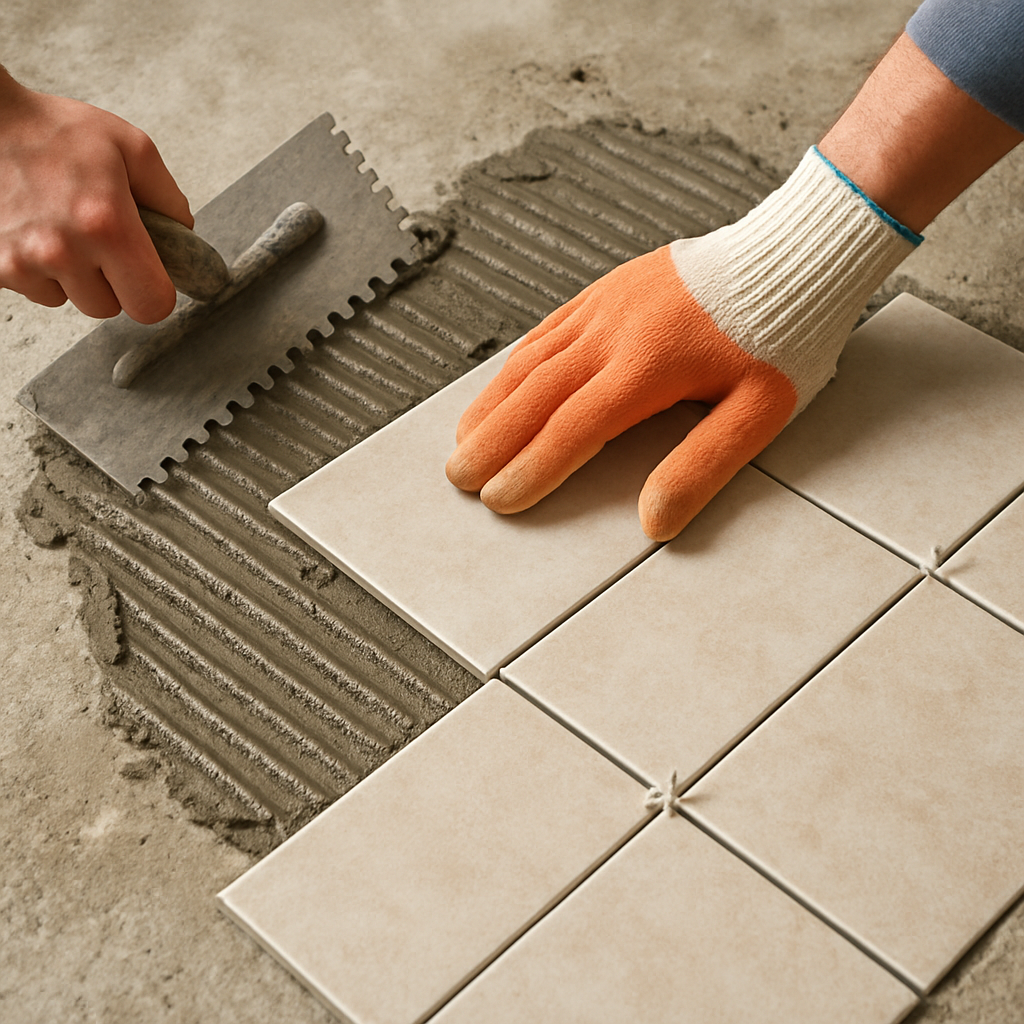 Before beginning any tile work, it’s essential to have a clear understanding of the methodology and potential risks involved. A well-prepared tile work methodology and risk assessment document can guide you through the process, ensuring that all necessary precautions are taken to avoid accidents and ensure high-quality results.
Tile Work Procedure and Manual
A comprehensive tile work procedure and manual can serve as a valuable resource for both DIY enthusiasts and professional tilers. This document should outline the step-by-step process of tile installation, including surface preparation, adhesive application, tile placement, and grouting. It should also include tips for cutting tiles and handling different materials.
Tile Work Job Description
For professionals, a clear tile work job description is vital. It should detail the responsibilities and expectations for tile installers, including knowledge of different tile materials, installation techniques, and safety protocols. A well-defined job description ensures that everyone involved in the project is on the same page and working towards the same goal.
Finding the Right Tiles and Stores
When it comes to purchasing tiles, location and availability are key factors. Searching for “tiles near me” or visiting local tile stores can help you find a wide selection of options. Many tile stores offer samples, allowing you to see and feel the tiles before making a decision.
Tile Zone Marble & Tile Works
Tile Zone Marble & Tile Works is one example of a supplier that offers a range of tile options, including marble and other premium materials. Visiting such stores allows you to explore different styles and finishes, ensuring that you find the perfect tiles for your bathroom.
Installation Considerations
 by Jason Leung (https://unsplash.com/@ninjason)
Tiles and Block Works
When installing tiles, it’s essential to consider the underlying structure, including any block works. Proper preparation ensures that tiles adhere correctly and remain secure over time. This includes leveling the surface, applying a suitable adhesive, and allowing adequate drying time before grouting.
Risk Assessment PDF
Having a tile work methodology and risk assessment PDF on hand provides a reference for potential hazards and mitigation strategies. This document should cover everything from handling heavy materials to working in wet environments, ensuring that safety is a top priority throughout the installation process.
Conclusion
Choosing the best tiles for your toilet involves a combination of aesthetic preferences, practical considerations, and technical expertise. By understanding the different types of tiles available and following a structured approach to installation, you can create a bathroom that is both beautiful and functional. Whether you opt for matt bathroom tiles, intricate tile work on dome tops, or a combination of materials, the right choice will enhance your space and provide lasting satisfaction.
Remember, the success of your tile installation project depends not only on selecting the right tiles but also on following proper procedures and safety guidelines. Whether you’re a homeowner tackling a DIY project or a professional installer, having a clear plan and access to the right resources will ensure that your bathroom renovation is a success. Happy tiling!“`
