
Understanding the cost of floor tiles can be quite the puzzle, especially with the variety of options available today. From porcelain to ceramic, and from rough tiles to polished finishes, each choice impacts your budget differently. In this guide, we will explore the factors influencing tile prices and provide insights into selecting the right tiles for your flooring needs.
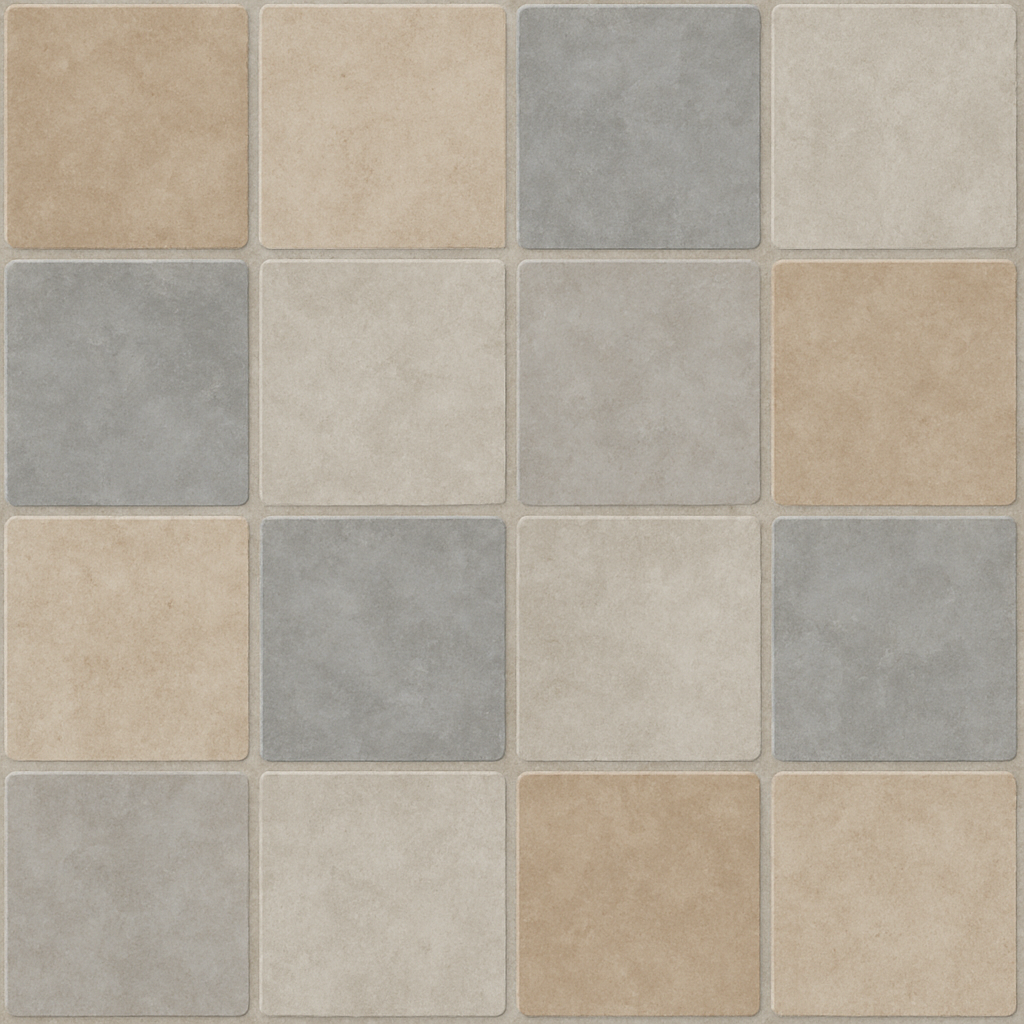 When it comes to floor tiles, the price is influenced by several factors including the material, size, design, and brand. Let’s break it down:
Material Matters
The material of the tile significantly affects the cost. Common materials include:
- Porcelain Tiles: Known for their durability and resistance to moisture, porcelain tiles are a popular choice for both indoor and outdoor flooring. However, their high quality comes with a higher price tag.
- Ceramic Tiles: These are generally more affordable than porcelain tiles. They are suitable for indoor use, especially in areas that don’t get wet frequently.
- Natural Stone Tiles: These include options like marble, granite, and slate. They offer a unique and luxurious appearance but tend to be more expensive due to their natural sourcing and processing costs.
Size and Design
The size and design of the tiles also play a role in the overall cost. Larger tiles often reduce the number of grout lines, offering a seamless look but might be more expensive. Intricate designs or custom patterns can increase the price as well.
Brand Influence
Tiles from well-known brands might cost more than those from lesser-known manufacturers due to the reputation and guarantee of quality.
Additional Costs to Consider
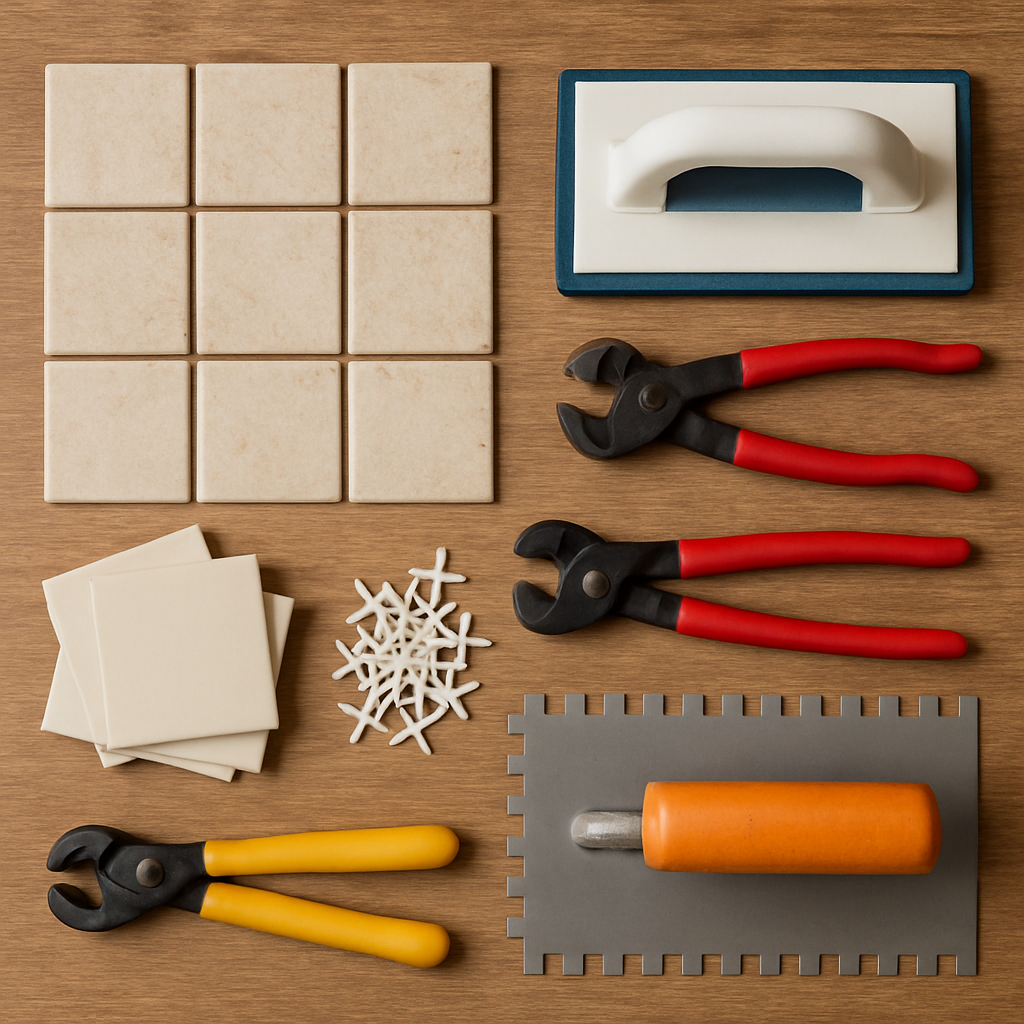 While the cost of the tiles themselves is a major factor, there are additional expenses to consider:
Tiling Work Equipment
Investing in proper tiling work equipment is crucial. This includes tools like tile cutters, spacers, and adhesive spreaders. Quality equipment can simplify the installation process and lead to a more professional finish.
Tiles Leveling System
A tiles leveling system will simplify your work by ensuring that tiles are laid evenly, preventing lippage and creating a smooth surface. Although it might add to the initial cost, it can save you money on repairs in the long run.
Wall Tiling Works Method Statement
For wall tiling, a method statement outlines the step-by-step process to ensure quality and safety. This might include specific instructions for preparing the wall surface, applying adhesive, and securing tiles.
Rough Tiles for Floor
If you’re considering rough tiles for areas like outdoor patios or driveways, keep in mind that they might require additional sealant or treatment to withstand weather conditions, adding to the cost.
Installation Costs
The cost of installing floor tiles varies depending on the complexity of the job and the professional you hire. Here are some components to consider:
Labor Charges
Hiring a skilled tiler is essential for a high-quality finish. Labor charges can vary based on location, experience, and the scope of the project.
Fixing Blocks and Masonry Works
For certain projects, tiles fixing blocks and masonry works might be necessary to ensure a stable and even foundation. These additional tasks will increase the overall cost.
Aesthetic and Functional Considerations
 by The New York Public Library (https://unsplash.com/@nypl)
Beyond cost, aesthetics and function are key considerations when choosing floor tiles:
Tiles Paintings Grade 8 Work
For those looking to add a creative touch to their flooring, tiles paintings can be an option. Grade 8 work refers to a level of quality and intricacy in these designs, which can enhance the visual appeal but may come at a premium.
Floor Tiles Price vs. Home Tiles Price
It’s important to differentiate between floor tiles price and home tiles price. Floor tiles are specifically designed to withstand foot traffic, while home tiles may include wall tiles or decorative tiles that serve a different purpose.
Making an Informed Decision
Before making a purchase, consider these tips:
Compare Prices
Research and compare prices from different suppliers. Look for sales or discounts on bulk purchases to get the best deal.
Consider Long-Term Value
While it might be tempting to choose the cheapest option, investing in high-quality tiles can save you money in the long run by reducing maintenance and replacement costs.
Seek Professional Advice
Consulting with a professional can provide valuable insights into the best options for your specific needs and budget.
Conclusion
Understanding the cost of floor tiles involves more than just the price per square foot. By considering factors such as material, design, and installation, you can make an informed decision that balances cost with quality and aesthetics. Whether you’re opting for porcelain floor tiles or exploring rough tiles for an outdoor space, the right choice will enhance your home’s beauty and functionality.
In the end, the investment in quality tiles and proper installation pays off by adding value and longevity to your home. Choose wisely, and enjoy the transformation that the right floor tiles can bring to your space.
