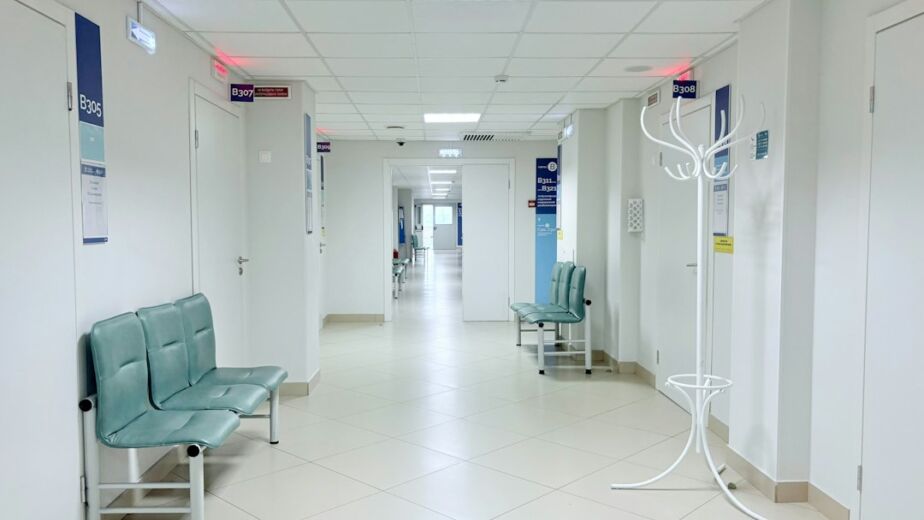
Starting a cleaner job in the UAE involves learning how a particular workplace operates. Even an experienced cleaner needs to understand the assigned areas, approved products, equipment instructions and reporting arrangements before working independently.
This guide supports a confirmed, authorised start arranged by the employer. It is useful for new cleaning staff and for supervisors onboarding workers supplied through a manpower company. Site procedures and training take priority over this general checklist.
Key takeaways
- Confirm who supervises the work and which areas are assigned.
- Learn site procedures before using products or equipment.
- Report blocked access, faults and unfinished tasks accurately.
- Review the routine with a supervisor during the first week.
Before the first shift
Confirm the worksite, arrival time, contact person, uniform requirements and building access instructions. Ask what you need to bring and where the induction will take place. If the joining instructions conflict with the agreed role, clarify the difference with the employer.
For staffing assignments, understand who handles employment questions and who directs daily work at the client site. These may be different contacts. Keep both reporting routes clear.
Day one: complete the site handover
Walk through the assigned areas with the supervisor. Identify occupied rooms, restricted spaces, storage points and any areas excluded from the cleaning scope. Ask how work is recorded and checked.
- Confirm the daily supervisor and backup contact.
- Review emergency reporting and exit arrangements.
- Locate approved supplies, equipment and storage.
- Learn access, visitor and confidentiality procedures.
- Ask how faults, incidents and supply shortages are reported.
Wavex’s cleaner mobilisation checklist offers further planning context for employers coordinating more than one site.
Learn equipment and product instructions
Ask for the required instruction before operating unfamiliar equipment or handling a product you have not used on that site. Follow approved labels, safety information and workplace procedures. Do not improvise mixtures, dilution ratios or substitute products.
Ask which protective equipment applies to each assigned task and how to obtain replacements. If a tool is damaged or instructions are unclear, report the issue and seek direction. General experience does not replace training for specialist activities.
Days two and three: build a reliable routine
Use the site’s cleaning schedule to understand the order of tasks. Some areas need work before employees arrive; others can only be accessed at agreed times. Ask which tasks take priority when access changes.
| Stage | What to confirm |
|---|---|
| Shift start | Assigned zones, priority requests, access restrictions and available supplies. |
| During work | Approved methods, task records and reporting of unexpected issues. |
| Quality check | Who reviews the work and how corrections are assigned. |
| Shift end | Equipment storage, outstanding work and the handover contact. |
This table is a planning template, not a universal cleaning method. For office task examples, see daily office cleaning tasks. Frequencies and methods should follow the actual site requirements.
Handle occupied and restricted areas correctly
Check the access procedure before entering meeting rooms, offices or other controlled spaces. If an area cannot be cleaned, record it as pending using the agreed process. Ask when a return visit can take place rather than marking the task complete.
Respect documents, personal belongings and screens. Do not move or discard papers without instruction. Follow the workplace process for found property instead of keeping items in a personal bag or an informal storage place.
Know when to ask for help
Report unfamiliar hazards, unidentified substances, damaged equipment or requests outside your training. Explain what you observed and where it is located. Do not attempt specialist spill response or technical repairs simply to finish the checklist.
When a colleague requests additional cleaning, check how it fits the scope and schedule. If priorities conflict, ask the supervisor to decide and communicate the revised timing.
Days four and five: review the work
Arrange a short review with the supervisor. Ask which tasks meet expectations, which need a different approach and whether the allocated time matches the work. Specific questions make feedback more useful than asking only whether everything is satisfactory.
Update an approved checklist with the agreed instructions. Do not copy confidential site information into personal notes or take workplace photographs without permission.
Prepare a useful shift handover
- Areas completed and any agreed checks still pending.
- Rooms that could not be accessed.
- Outstanding requests and their priority.
- Low supplies already reported.
- Equipment faults or incidents and the person notified.
Report urgent concerns when they arise. A handover is a record of progress, not a reason to delay notifying the responsible person.
Frequently asked questions
Should an experienced cleaner still receive induction?
Yes. The worker needs to understand the new site’s scope, equipment, access arrangements and procedures.
What if I cannot finish every assigned task?
Tell the supervisor early, explain the reason and confirm priorities. Record incomplete work accurately.
Can one routine be used at every client site?
A checklist structure can be reused, but duties, methods and access arrangements must be adapted to each workplace.
Plan cleaners manpower supply with Wavex
Businesses can review cleaning staff supply contract points and contact Wavex Technical Services with the location, cleaning scope, headcount, shifts and assignment duration. Confirm supervision, equipment provision and onboarding responsibilities when discussing the staffing arrangement.