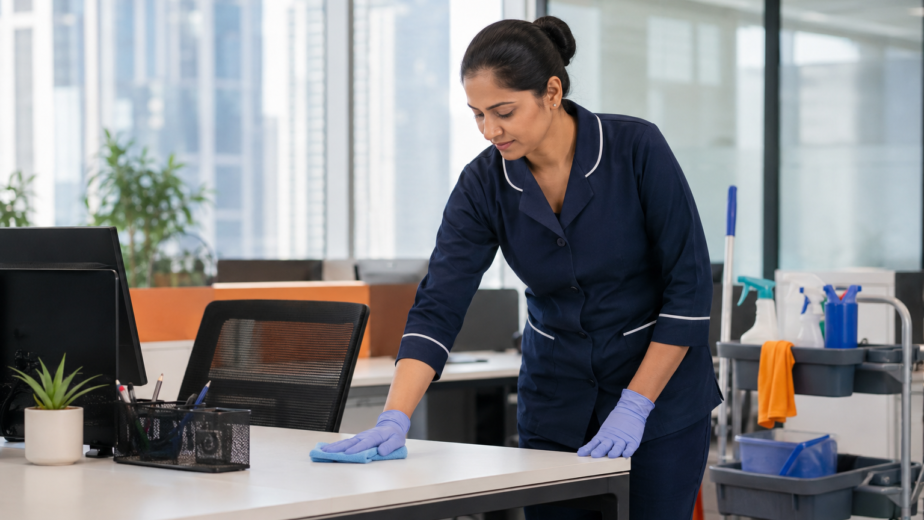
Daily office cleaning tasks help businesses maintain an organised, presentable and hygienic working environment. Offices in Dubai can experience frequent foot traffic, airborne dust, food waste and continuous use of meeting rooms, pantries and washrooms. Without a clear cleaning schedule, small issues can quickly affect the appearance and comfort of the workplace.
An effective office cleaning checklist should identify the areas to be cleaned, the required frequency and the person responsible for each task. Requirements will vary according to the office size, employee count, operating hours and visitor traffic.
This guide covers 15 essential daily office cleaning tasks and explains how businesses can create a practical cleaning schedule for their workplace.
Why Daily Office Cleaning Matters
A clean office creates a more professional environment for employees, customers and visitors. Routine cleaning also helps prevent waste, dust and clutter from accumulating in frequently used areas.
Daily office cleaning tasks should focus on the areas that receive the most use, including entrances, reception areas, desks, meeting rooms, floors, pantries and washrooms. Less frequently used areas can be assigned weekly or periodic cleaning schedules.
Businesses should avoid using one general checklist for every facility. A small administrative office will have different requirements from a busy business centre, showroom or industrial office.
1. Clean Reception and Entrance Areas
The reception area creates an important first impression. It should appear organised before employees and visitors begin arriving.
Daily reception cleaning may include:
- Wiping reception counters
- Cleaning accessible tables and furniture
- Straightening chairs
- Removing visible dust and marks
- Emptying waste bins
- Checking entrance glass for fingerprints
- Keeping the visitor area orderly
The cleaner should report damaged furniture, lighting problems or maintenance concerns to the designated supervisor rather than attempting unauthorised repairs.
2. Wipe Accessible Workstation Surfaces
Dust can accumulate on desks, partitions, shelves and other accessible surfaces. The cleaning scope should clearly identify which workstation areas may be cleaned.
Employees should secure confidential documents, personal belongings and sensitive equipment before cleaning begins. Cleaners should not move paperwork, open drawers or handle private records unless specifically authorised.
Frequently touched areas such as desk edges, chair arms and approved shared equipment may require additional attention.
3. Vacuum Carpets and Office Rugs
Carpets can collect dust, sand and small debris carried into the office. Regular vacuuming helps maintain their appearance and prevents visible dirt from accumulating in high-traffic areas.
Daily office cleaning tasks may prioritise:
- Entrances
- Reception areas
- Main walkways
- Meeting rooms
- Shared workspaces
- Areas around frequently used desks
Less-used carpeted areas may be included in a rotating schedule. Stains requiring specialist treatment should be reported rather than treated with an unsuitable chemical.
4. Sweep and Mop Hard Floors
Tiled, vinyl, laminate and other hard floors should be cleaned using methods appropriate for the installed material. The cleaner should remove loose debris before mopping.
Warning signs should be placed around wet floors to reduce slipping risks. Where possible, cleaning can be scheduled during quieter working periods so that floors have enough time to dry.
Spills should be addressed promptly according to workplace procedures.
5. Empty Waste Bins
Office bins should be checked daily, particularly in busy departments, meeting rooms, pantries and reception areas.
Waste-collection duties can include:
- Emptying general office bins
- Replacing bin liners
- Closing waste bags securely
- Moving waste to the designated collection point
- Following the workplace’s recycling system
- Reporting leaking or damaged bins
Confidential papers should follow the company’s approved shredding or secure-disposal process. Cleaners should not decide independently how sensitive documents are discarded.
6. Clean Meeting Rooms
Meeting rooms may be used by employees, clients and visitors throughout the day. They should be checked before the first meeting and between bookings when required.
Meeting-room cleaning may include:
- Wiping tables
- Straightening chairs
- Removing used cups and bottles
- Emptying bins
- Cleaning approved shared surfaces
- Reporting damaged equipment
- Returning the room to its standard arrangement
These daily office cleaning tasks help meeting spaces remain ready for the next group.
7. Maintain Pantry and Break Areas
Office pantries receive frequent use and can quickly become untidy. Food crumbs, spills and used cups should not be left to accumulate.
A daily pantry checklist may cover:
- Wiping counters and tables
- Cleaning sinks
- Removing food waste
- Emptying bins
- Mopping the floor
- Cleaning approved appliance exteriors
- Returning chairs to their proper positions
- Reporting low cleaning or hygiene supplies
Cleaning chemicals should be kept away from food-preparation and storage areas. Product instructions and workplace safety procedures should always be followed.
8. Clean and Monitor Washrooms
Washrooms usually require cleaning more than once during the working day, depending on the number of employees and visitors.
Routine responsibilities may include:
- Cleaning approved washroom surfaces
- Wiping mirrors
- Cleaning sinks and taps
- Emptying waste bins
- Mopping floors
- Checking soap, tissue and other approved supplies
- Reporting plumbing or drainage problems
The cleaning frequency should be based on actual use rather than a single end-of-day visit. Businesses should keep a simple inspection schedule for high-traffic washrooms.
9. Wipe Frequently Touched Shared Surfaces
Shared touchpoints can collect fingerprints and visible marks during normal workplace use.
These areas may include:
- Door handles
- Push plates
- Approved light switches
- Meeting-room controls
- Pantry handles
- Shared cabinet handles
- Reception counters
- Lift buttons within the assigned office area
Cleaners should use suitable products and avoid spraying liquids directly onto electrical equipment.
10. Clean Internal Glass and Partitions
Glass doors and office partitions can show fingerprints, dust and smudges. Accessible internal glass may be included in daily office cleaning tasks, particularly in reception areas and meeting rooms.
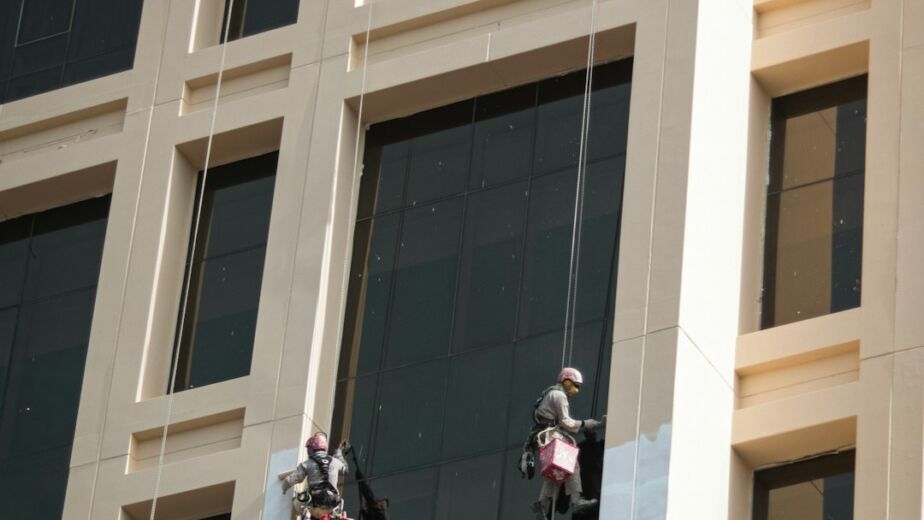
High-level glass, exterior windows and difficult-to-reach surfaces should be handled separately using appropriate equipment and authorised personnel.
The cleaner should use a suitable glass-cleaning product and check the surface from different angles to identify streaks.
11. Organise Common Areas
Shared spaces such as waiting areas, staff lounges and collaboration zones should remain orderly throughout the working day.
Common-area duties can include:
- Straightening chairs
- Removing used cups
- Wiping accessible tables
- Emptying bins
- Returning approved items to designated locations
- Keeping walkways clear
- Reporting damaged furniture
The cleaning scope should distinguish between cleaning duties and general office-support responsibilities. Companies requiring refreshments, document distribution or meeting support may separately arrange Office Boy Services in Dubai.
12. Check Cleaning and Hygiene Supplies
Cleaners should monitor the supplies needed to complete the agreed cleaning tasks. A simple checklist can identify items that require replenishment.
These may include:
- Bin liners
- Cleaning cloths
- Approved cleaning products
- Hand soap
- Paper supplies
- Protective gloves
- Mop heads and other tools
The cleaner should report low stock to the authorised supervisor. Ordering products or approving expenditure should remain with the designated employee unless another arrangement has been agreed.
13. Clean Approved Office Equipment Exteriors
Dust may accumulate on the exterior of printers, photocopiers and other shared office equipment. Cleaning should only cover approved exterior surfaces and follow the equipment manufacturer’s guidance.
Liquids should not be sprayed directly onto electrical devices. Cleaners should not disconnect, open or move equipment unless authorised.
Computer screens, keyboards and specialist devices may require separate procedures or designated cleaning materials.
14. Respond to Spills and Unexpected Cleaning Needs
Not every cleaning requirement follows a fixed schedule. Drinks may spill, bins may fill earlier than expected and visitor traffic may create additional cleaning needs.
The workplace should establish a clear process for reporting urgent cleaning requirements. The cleaner should also know where warning signs, absorbent materials and approved products are stored.
Hazardous substances, electrical risks and specialist contamination should be reported immediately and handled by appropriately qualified personnel.
15. Complete a Final Workplace Inspection
At the end of the cleaning period, the cleaner should check the assigned areas and confirm that the scheduled work has been completed.
A final inspection may include:
- Checking reception and meeting rooms
- Confirming bins have been emptied
- Reviewing pantry and washroom conditions
- Checking floors for remaining debris
- Returning equipment to storage
- Reporting maintenance issues
- Recording incomplete or additional requirements
This final review makes daily office cleaning tasks easier to monitor and helps the next cleaning shift understand any outstanding work.
How to Create an Office Cleaning Schedule
A useful cleaning schedule divides tasks according to frequency and workplace priority.
Tasks Required Throughout the Day
- Responding to spills
- Checking busy washrooms
- Removing food waste
- Preparing meeting rooms
- Monitoring high-traffic common areas
Tasks Usually Completed Daily
- Emptying bins
- Vacuuming high-traffic carpet
- Sweeping and mopping floors
- Cleaning reception areas
- Wiping accessible work surfaces
- Cleaning pantries and washrooms
Tasks That May Be Scheduled Weekly
- Detailed cleaning of low-use areas
- Dusting less-accessible shelves
- Cleaning approved internal glass
- Reviewing supply inventory
- Cleaning behind movable furniture where permitted
Periodic or Specialist Tasks
- External window cleaning
- Carpet extraction cleaning
- High-level cleaning
- Deep cleaning
- Pest-control treatment
- Specialist disinfection
- Cleaning requiring access equipment
The final schedule should reflect the office’s actual use and the agreed staffing hours.
Information to Include in a Cleaner Staffing Request
Businesses requesting cleaning personnel should provide clear operational information, including:
- Workplace type and location
- Approximate facility size
- Number of cleaners required
- Preferred starting date
- Working days and daily hours
- Contract duration
- Areas included in the scope
- Required daily office cleaning tasks
- Available cleaning equipment and supplies
- Uniform or access requirements
- Name of the workplace supervisor
- Any special site instructions
A clear request helps the manpower provider prepare a more relevant staffing proposal. Before comparing quotations, confirm whether equipment, cleaning consumables, transport, supervision and replacement cover are included. Our guide to cleaner manpower quotation factors in Dubai explains the details that can affect the proposed cost.
Office Cleaner Versus Office Boy Responsibilities
Office cleaners focus primarily on workplace hygiene and cleaning activities. Their duties may include floors, washrooms, pantries, bins, shared surfaces and other areas included in the cleaning scope.
Office boys usually focus on refreshments, meeting-room preparation, document distribution, photocopying and general administrative support. Although some minor organisational duties may overlap, businesses should avoid combining two full roles into one unclear job description.
Clearly separating the responsibilities helps employees understand expectations and allows companies to assign enough personnel for the workload.
Workplace Cleaning and Safety Considerations
Cleaning personnel should receive clear instructions about approved products, equipment storage, restricted areas and issue-reporting procedures.
Businesses should also ensure that:
- Cleaning products retain their original labels
- Product instructions are followed
- Wet-floor signs are available
- Protective equipment is used when required
- Chemicals are not mixed
- Electrical equipment is handled carefully
- Specialist tasks are assigned to suitable personnel
- Maintenance and safety hazards are reported
Businesses can review relevant workplace information through the UAE Ministry of Human Resources and Emiratisation and local guidance from Dubai Municipality.
Frequently Asked Questions
What office cleaning tasks should be completed daily?
Common daily office cleaning tasks include emptying bins, cleaning floors, wiping accessible surfaces, maintaining washrooms and pantries, preparing meeting rooms and checking high-traffic shared spaces.
How often should office washrooms be cleaned?
The required frequency depends on the number of employees, visitors and daily operating hours. Busy washrooms may need inspection and cleaning several times throughout the working day.
Should office desks be cleaned every day?
Accessible desk surfaces may be cleaned daily when included in the agreed scope. Employees should remove confidential documents and personal belongings before cleaning.
Are window cleaning and carpet washing daily tasks?
Routine internal glass wiping and carpet vacuuming may be included in regular cleaning. Exterior windows, high-level glass and carpet extraction cleaning are normally scheduled separately as periodic or specialist services.
Can one cleaner manage an entire office?
This depends on the office size, layout, operating hours, foot traffic and scope of work. Larger or busier workplaces may require multiple cleaners or staggered shifts.
What information is needed to request office cleaners?
Provide the workplace location, approximate size, required headcount, working schedule, contract duration and expected cleaning duties.
Request Office Cleaner Supply in Dubai
A practical checklist makes daily office cleaning tasks easier to assign, supervise and review. It also gives businesses a clearer understanding of the personnel and working hours required to maintain their workplace.
Wavex provides flexible office cleaner supply in Dubai for corporate offices, business centres, commercial buildings, showrooms and other workplaces. Contact Wavex with your location, required headcount, schedule and contract duration to request a customised staffing quotation.