Comparing steel fixing contractors in Dubai starts with a clear project scope: approved structural drawings, reinforcement quantities, site access and the required work sequence. Steel fixing involves positioning and securing reinforcement bars according to the engineer’s design before concrete is poured. This guide explains the work and the information to prepare when requesting a project assessment.
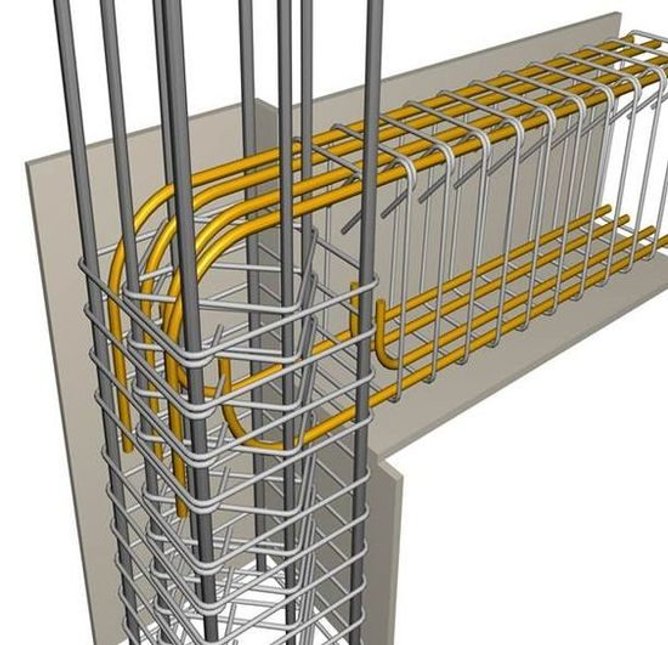
Steel fixing is a process in the construction industry that involves the installation of steel reinforcement bars, commonly known as rebar, within concrete structures.
This technique is essential for enhancing the strength, durability, and structural integrity of buildings, bridges, and other infrastructure projects.
Steel fixers are skilled professionals who carefully position and secure steel bars according to precise engineering specifications, creating a robust framework that supports the concrete and distributes loads effectively.
steel framework is inspected before concrete is poured around it, creating a composite material that combines the compressive strength of concrete with the tensile strength of steel.
How is steel fixing done?
The process of steel fixing begins with interpreting technical drawings and specifications provided by engineers and architects. Steel fixers then measure, cut, and bend the steel bars to the required shapes and sizes using specialised tools and machinery.
Once prepared, the steel bars are positioned within the formwork or shuttering, which serves as a mould for the concrete structure. Steel fixers use various techniques to secure the bars in place, including tying them together with wire or using mechanical couplers.
What are the main challenges in steel fixing?
One of the primary challenges in steel fixing is maintaining precision and accuracy in complex structural designs. Steel fixers must interpret and follow detailed plans meticulously, as even small errors can compromise the integrity of the entire structure. Working with heavy materials and often at heights also presents physical challenges and safety risks.
Another significant challenge is coordinating with other trades on construction sites. Steel fixers must work in tandem with formwork carpenters, concrete pourers, and other professionals to ensure smooth project progression.
How does steel fixing differ across project types?
The requirements for steel fixing vary significantly depending on the nature and scale of the construction project.
In civil engineering projects, such as bridges or dams, steel fixing often involves working with larger diameter bars and more complex reinforcement patterns to withstand substantial loads and environmental forces.
Infrastructure projects, like tunnels or highways, often require specialised reinforcement techniques to address unique structural demands and soil conditions. Residential projects typically involve smaller-scale steel fixing work, focusing on foundations, floors, and load-bearing walls.
Commercial building projects can present a mix of challenges, combining large-scale structural elements with intricate reinforcement details for specialised areas.

Biggest companies globally involved in steel for fixing?
Some of the largest global steel producers that supply materials for steel fixing include:
- ArcelorMittal: A multinational steel manufacturing corporation headquartered in Luxembourg.
- China Baowu Steel Group: The world’s largest steel producer, based in China.
- Nippon Steel: Japan’s largest steel producer and one of the world’s leading steel companies.
- POSCO: A South Korean steel-making company and one of the world’s largest steel producers.
- Nucor Corporation: The largest steel producer in the United States and a significant global player.
These companies provide a wide range of steel products used in construction, including reinforcement bars for steel fixing.
How is the industry making steel fixing more sustainable?
The construction industry is increasingly focusing on sustainability in steel fixing practices. One approach is the use of recycled steel in reinforcement bars, which reduces the environmental impact of steel production.
Some companies are developing innovative reinforcement materials, such as glass fibre reinforced polymer (GFRP) bars, which offer corrosion resistance and potentially longer lifespans.
Improved design techniques, such as optimising reinforcement layouts to reduce material usage without compromising strength, are also being implemented. Additionally, the industry is exploring ways to reduce carbon emissions in steel production and transportation, including the use of electric arc furnaces and renewable energy sources.

Steel fixing labour problems
Both North America and Europe are experiencing labour challenges in the steel fixing sector. In North America there has been a growing shortage of skilled steel fixers, partly due to an ageing workforce and a lack of new entrants to the trade. This has led to increased labour costs and potential project delays in some regions.
Europe has similar issues, with some countries reporting difficulties in recruiting and retaining skilled steel fixers.
The industry is addressing these challenges through increased apprenticeship programmes, vocational training initiatives, and efforts to improve working conditions and career prospects in the steel fixing trade.
What to Include in a Steel Fixing Enquiry in Dubai
Provide the following information so prospective contractors can assess the same scope and explain any exclusions:
- Project location, building type, site access and proposed programme.
- Current approved structural drawings and bar bending schedules, where available.
- Reinforcement quantities, bar specifications and the work areas covered.
- Whether the enquiry is for labour only or includes material supply, cutting, bending and delivery.
- Responsibility for lifting equipment, storage, access equipment and site supervision.
- The inspection and approval stages required before concrete placement.
Compare quotations on the same basis and ask how changes, delays and additional quantities are priced. Structural design, reinforcement changes and acceptance of the installed work must remain with the responsible qualified professionals. For related partitions and finishes, see Wavex’s blockwork and plastering services in Dubai. For a project enquiry, send Wavex your drawings and scope so the team can confirm whether the requirement can be supported.